OVO | Capital Execution Layer
Market Deployment System. Real Economy Trading Infrastructure.
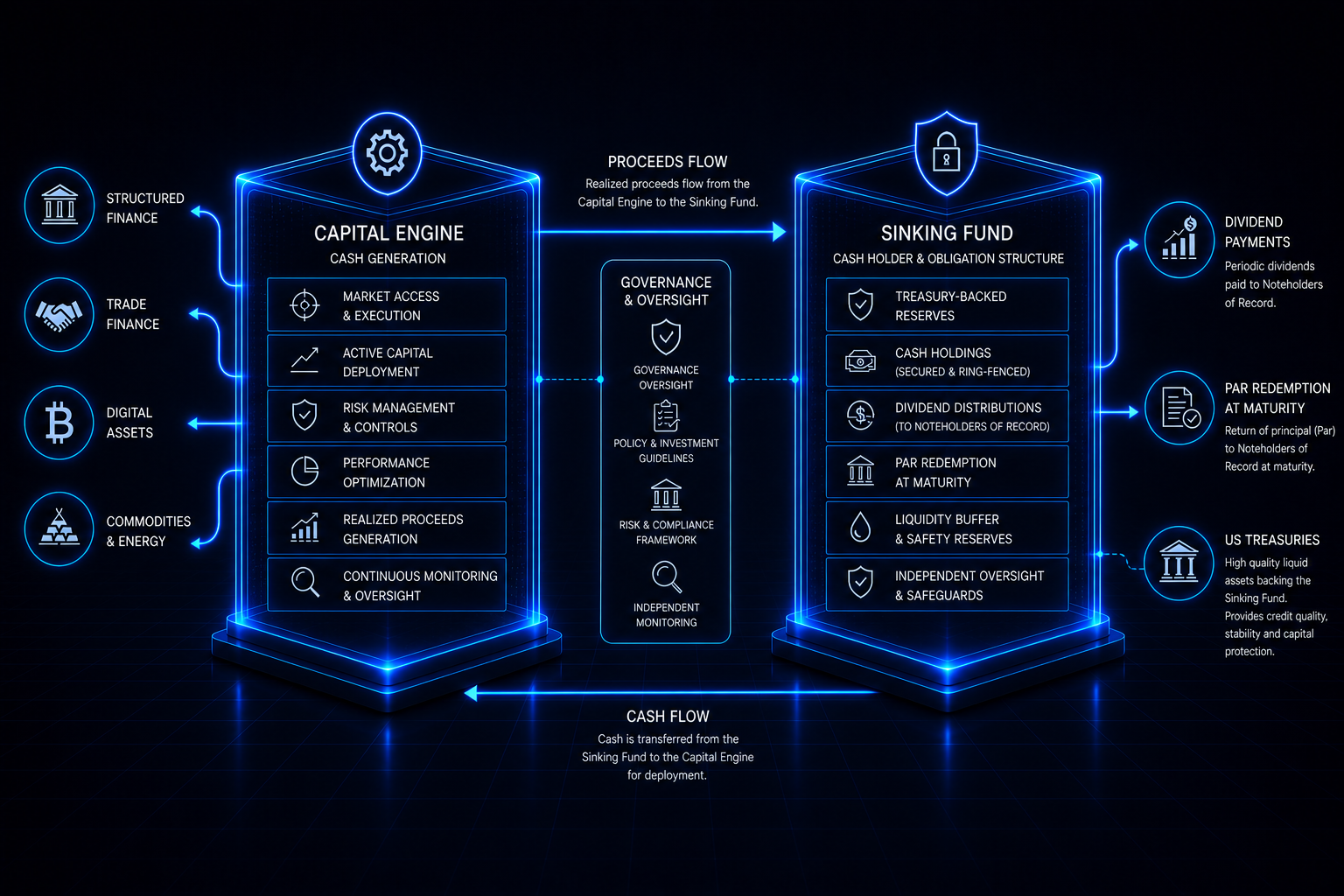
Capital Engine

Execution Function
The Capital Engine enables structured participation in institutional markets under defined execution mandates, governance constraints, and liquidity parameters.
Execution is continuous, distributed across global market venues where pricing efficiency, depth, and settlement integrity meet institutional standards.
Institutional Market Access
The Capital Engine operates across core institutional liquidity domains:
- Foreign exchange and interest rate markets
- Energy, oil, and commodity derivatives
- Structured trade finance and transaction-linked credit flows
- Digital asset liquidity and alternative execution venues
These channels provide continuous execution capacity across financial and real-economy markets.


Commercial Execution Capability
The Capital Engine supports structured commercial execution across trade finance, commodities, and cross-border liquidity flows.
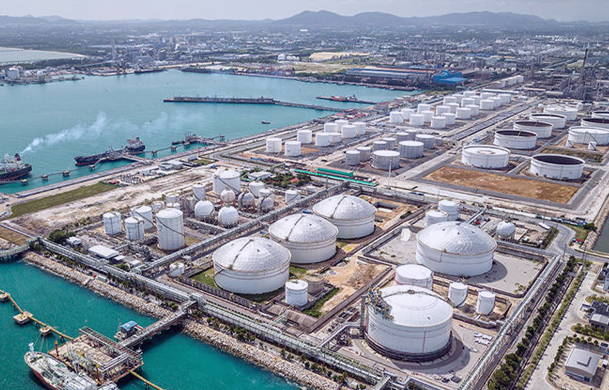
This includes participation in energy markets, physical commodity pricing systems, and associated hedging and risk transfer structures.
Execution extends beyond financial instruments into transaction-based real-economy market systems.
System Role Within OVO Architecture
The Capital Engine functions as a shared execution system within the OVO platform, enabling deployment of capital under structured mandates across global markets.
It is structurally independent from the Sinking Fund, which operates as a ring-fenced issuance-level repayment mechanism governed by defined waterfall structures.
Returns generated through execution are attributed to the originating issuance structure in accordance with governing documentation and allocation rules.
Strategic Importance
The Capital Engine provides disciplined access to institutional markets under controlled, repeatable execution conditions.
It is the mechanism through which system-level capital is actively deployed across global liquidity environments.
This supports continuity of execution, capital efficiency, and operational stability across the broader OVO architecture.
Clear separation between execution (Capital Engine) and obligation structure (Sinking Fund) preserves distinction between market performance generation and structured repayment mechanics.